
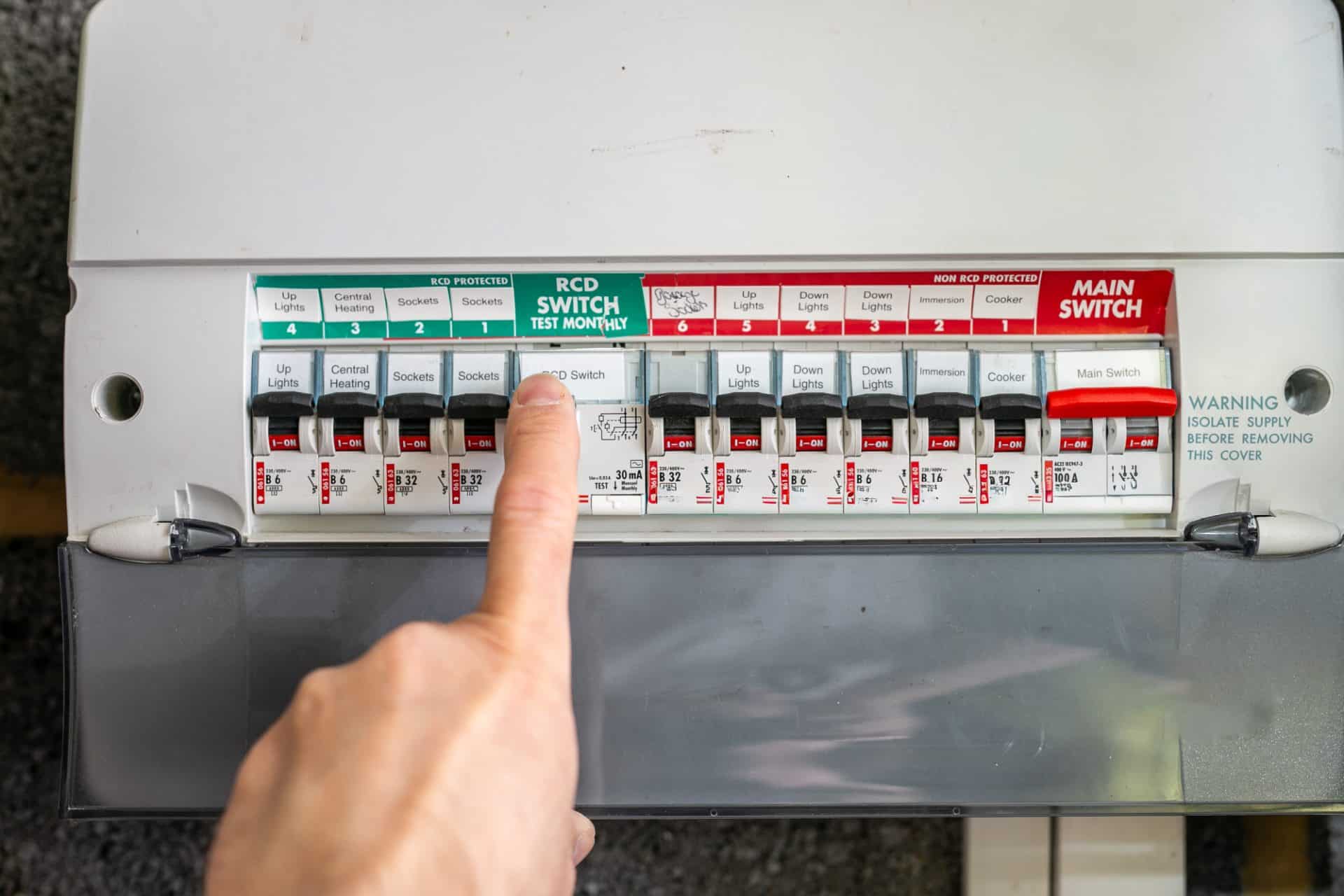
Renovating a home involves making hundreds of decisions, from choosing a new kitchen and deciding on room layouts to selecting flooring, lighting and finishes. However, one area that needs to be considered long before the decorating begins is the electrical installation. Planning electrical work at an early stage can help ensure sockets, switches, lighting and dedicated circuits are positioned where they will actually be needed once the renovation is complete.
Electrical requirements have also changed considerably as homes have become more dependent on technology. Home offices, kitchen appliances, electric vehicles and renewable energy systems can all influence how electricity is used around a property. Even if technologies such as solar panels, battery storage or an EV charger are not being installed immediately, considering them during a major renovation can help homeowners think about how their electrical requirements could develop in the future.
This is particularly important when renovating an older property where the existing electrical system may have been altered or extended at different points during the building’s life. Rather than making assumptions based purely on age, the condition and suitability of the existing installation should be properly considered before substantial electrical additions are planned.
For homeowners renovating properties in Ripon and across North Yorkshire, involving an electrician during the planning stages provides an opportunity to consider both the existing installation and the requirements of the finished home. In this guide, Mowbray Electrical & Security Ltd looks at some of the main electrical considerations to think about before your renovation gets underway.
Why Electrical Planning Should Happen Before Plastering and Decorating
Electrical work is closely connected to many other stages of a renovation. Cables may need to be routed through walls, floors or ceilings, while back boxes and other components need to be positioned before finished surfaces are completed. Leaving important electrical decisions until late in a project can therefore make the work more complicated than necessary.
Ideally, homeowners should think carefully about how each renovated room will be used before electrical work begins. Consider where furniture will sit, where televisions or computers may be positioned, which areas require task lighting and where appliances will be installed. This allows sockets, switches and lighting points to be positioned around the finished room rather than simply replacing what was there previously.
Planning early is particularly useful on larger projects involving extensions, conversions or substantial alterations to the internal layout. An experienced electrician in Ripon can discuss the proposed changes and help identify the electrical work that should be considered alongside the other stages of the renovation.
Assessing Your Existing Electrical System
Before adding new circuits, sockets or electrical equipment, it is sensible to understand what is already installed. Properties that have been occupied for many years may have undergone several rounds of alterations, and different parts of the electrical installation may therefore be of different ages.
The purpose of an assessment is not simply to decide whether wiring is “old”. It is to understand the condition and suitability of the installation and whether it is appropriate for the work being proposed.
For a substantial renovation, this assessment can influence the rest of the project. If improvements are required, carrying them out while walls, ceilings and floors are already being altered may be considerably more practical than discovering additional electrical work is necessary after the property has been redecorated.
Do You Need a Full or Partial Rewire?
Not every renovation requires a complete rewire. The appropriate solution depends on the condition of the existing electrical installation, the alterations being made and the requirements of the finished property.
In some cases, existing wiring may remain suitable while new circuits or alterations are required in particular areas. In others, more extensive work may be appropriate. This is why homeowners should avoid assuming that the age of their house automatically means it needs rewiring or, conversely, that an installation must be satisfactory simply because there are no obvious problems.
An EICR can provide information about the condition of an existing electrical installation and identify defects or areas requiring attention. This can be particularly useful when the history of the electrics is unclear or substantial renovation work is being considered.
Planning Your Future Electrical Requirements
A renovation provides an opportunity to think beyond what you currently have and consider how the property will actually be used once the work is complete.
Modern kitchens, for example, can contain numerous electrical appliances and may require carefully planned power supplies. Home offices can introduce additional computers, monitors and networking equipment. Living spaces may require power for televisions, entertainment systems and charging devices, while gardens, garages and outbuildings can create further electrical requirements.
Good planning is therefore about more than increasing the number of sockets. It involves considering the layout of the property, the equipment being used and whether particular appliances or systems require dedicated electrical supplies.
For larger projects, professional electrical installations in Ripon can be planned alongside the wider renovation so the electrical system complements the finished layout rather than being treated as an afterthought.
Sockets, Switches and Lighting
One of the simplest ways to improve a renovated room is to think carefully about where electrical points are positioned.
Consider bedside sockets before deciding where beds will sit, power supplies around planned kitchen units and convenient charging points in living spaces. If a room could become a home office, additional sockets and suitable lighting may also make it more adaptable.
Lighting deserves particular attention. Rather than simply replacing a central ceiling light, a renovation provides an opportunity to consider task lighting, feature lighting and practical illumination for different parts of the room. Planning switching arrangements at the same time can make the finished space much easier to use.
Future-Proofing for Solar Panels, Battery Storage and EV Charging
A major renovation can also be a useful opportunity to think about technologies you may want to introduce in the future.
Solar panels, battery storage and electric vehicle charging can all form part of a home’s wider electrical requirements. You do not necessarily need to install these technologies during the renovation, but mentioning future plans to your electrician may allow relevant electrical considerations to be discussed while other work is taking place.
For example, homeowners considering solar panel installation in the future can discuss how renewable technology could fit into their longer-term plans. Solar PV can generate electricity for use within the home, while compatible battery systems can provide a way of storing electricity for later use.
Battery storage may be considered alongside solar PV or as part of a wider home-energy strategy. The suitability of a particular system will depend on factors including the property, electricity usage, existing electrical installation and the technology being considered. Discussing these plans early allows them to be considered as part of the property’s longer-term electrical requirements without suggesting that equipment needs to be installed immediately.
Homeowners considering an electric vehicle should also think about where it will normally be parked. Discussing possible electrical requirements for a future EV charger installation while other work is being planned may be more convenient than considering everything from scratch later.
Understanding First Fix and Second Fix Electrics
If you are undertaking a substantial renovation or extension, you may hear electricians and other trades refer to first fix and second fix.
Understanding the basic difference can make it easier to see why electrical decisions need to be made early and why electricians may need to visit a renovation project at different stages.
What Happens During First Fix?
First fix electrical work generally takes place before walls and ceilings receive their finished surfaces. This is when cable routes and positions for electrical points can be established as part of the wider building work.
At this stage, the layout needs to have been thought through carefully. Moving the position of a socket on a plan is relatively straightforward. Changing your mind once walls have been finished and decorated can be much less convenient.
Coordination between trades is particularly important. Kitchen fitters, plumbers, builders and electricians may all need access to similar areas, so understanding the finished layout helps everyone plan their work appropriately.
What Happens During Second Fix?
Second fix takes place later, once the project has progressed sufficiently for finished electrical accessories and equipment to be installed.
This can include items such as sockets, switches and light fittings, depending on the project. Electrical work will also require appropriate inspection and testing according to the work undertaken.
Thinking through the details before first fix makes second fix considerably more straightforward because the necessary electrical points should already be positioned around the final room layout.
Electrical Work in Older North Yorkshire Properties
Ripon and the wider North Yorkshire area contain properties from many different periods, from traditional houses and cottages to later twentieth-century estates and modern developments. This variety means there is no single approach to planning electrical work during a renovation.
Older and previously altered properties can present particular considerations because their electrical installations may have been modified at different points. Extensions may have been added, rooms repurposed or electrical points installed during separate periods of improvement.
That does not mean an older property automatically requires wholesale replacement of its electrical system. Instead, renovation work provides a sensible opportunity to assess what is present and determine whether it remains appropriate for the planned improvements.
Care may also be required when routing new electrical services through properties with traditional construction methods or original features that the homeowner wishes to retain. Discussing these considerations at the beginning of a renovation helps the electrical work become part of the overall project rather than something addressed after other decisions have already been made.
Building Regulations, Electrical Safety and Certification
Electrical work within homes in England is subject to safety requirements, and certain work falls within the scope of Part P of the Building Regulations.
Approved Document P provides official guidance on electrical safety in dwellings, including matters relating to the design and installation of electrical installations, inspection and testing, and notification requirements. Homeowners planning substantial electrical alterations should therefore establish what requirements apply to their particular project rather than assuming all electrical work is treated in the same way.
The exact requirements will depend on the electrical work being carried out, which is another reason to discuss significant alterations with a suitably competent electrical professional during the planning stages.
Homeowners who want to understand the official requirements can read Approved Document P on the GOV.UK website.
Plan the Electrics Alongside Your Renovation
Electrical planning may not be the most visible part of a completed renovation, but it can have a major influence on how practical the finished property is to live in.
Considering sockets, switches, lighting, dedicated circuits and future electrical requirements before work progresses too far can help create a home that is better suited to the way you intend to use it. It also gives you the opportunity to discuss potential future additions such as EV charging, solar panels and battery storage while the wider electrical installation is already being considered.
Mowbray Electrical & Security Ltd provides electrical services for homeowners, landlords and businesses across Ripon and the surrounding North Yorkshire area. Whether you are planning a few electrical improvements or a substantial renovation requiring new circuits and installations, our team can discuss the electrical requirements of your project.
Contact Mowbray Electrical & Security Ltd to discuss your renovation and request a free quotation for the electrical work required.